How to Master Fixing the Gap Between Luxury Feel and Reasonable Price Point Gifts
Who hasn't been standing in a department store aisle, staring at a gift section that feels less like curated thoughtfulness and more like an archaeological dig through seasonal knick-knacks? We all want to give something wonderful—something that makes the recipient feel genuinely spoiled. But let’s face it: "luxury" often comes with a price tag that requires selling a kidney.
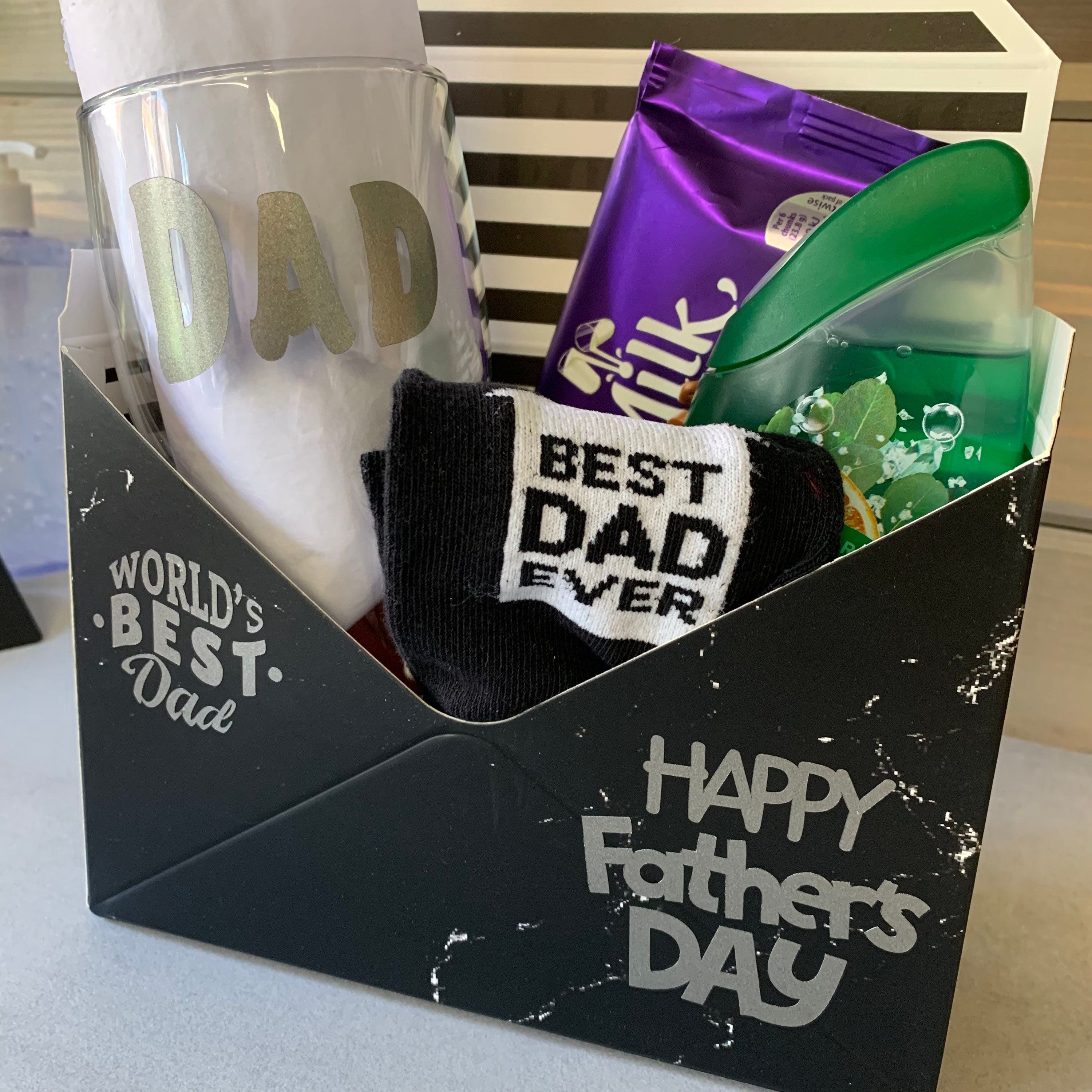
The modern giver faces a tricky dilemma: how do you convey high value and impeccable taste without emptying your entire savings account? If you've ever felt like you were constantly stumbling over the expensive-looking but budget-friendly sweet spot, you are not alone. The good news is that creating an illusion of opulence isn't about buying diamonds; it’s about mastering psychology, presentation, and subtle details. This guide will help you understand the art of fixing the gap between luxury feel and reasonable price point gifts so your thoughtfulness shines through every time.
Mastering the Psychology of Perception Over Price Tag
The biggest revelation when gifting is realizing that perceived value rarely tracks linearly with actual cost. In fact, sometimes a $30 item can feel like it's worth $150 simply because of how it’s packaged or presented. This isn't magic; Great post to read it's psychology at work. We are wired to associate certain sensory inputs—weight, scent, texture—with high quality.
Instead of focusing on the monetary cost, start thinking about the experience you are buying. A poorly wrapped $50 item feels cheap, but a perfectly presented $30 item can feel monumental. This shift in perspective is your most powerful tool when fixing the gap between luxury feel and reasonable price point gifts.
Consider this: If you were blindfolded and given two items—one plastic-feeling box of gourmet soaps, and one solid ceramic container holding the same soap—which would you assume was more expensive? The weight and solidity of the second item trick your brain into believing it holds more inherent value, regardless of the actual cost difference.
Focusing on Tactile Details: Where Quality Speaks Louder Than Price
Luxury is often tactile. It’s about things that feel good to hold, smell good when opened, or look impeccable under soft light. You don't need cashmere sweaters; you need items that mimic the luxurious qualities of those materials.
When shopping, pivot your attention away from the "big picture" and drill down into micro-details. Are the seams straight? Does the metal feel weighty, or is it flimsy? Is the paper thick enough to feel substantial when folded?
Here are three high-impact areas to examine:
- Weight: Items that feel heavy (like solid glass tumblers or weighted candles) suggest permanence and quality craftsmanship.
- Natural Elements: Wood, linen, matte ceramics, and sustainably sourced bamboo instantly elevate a gift set. They carry an inherent sense of history and grounded luxury.
- Consistent Palette: Stick to neutral tones—creams, deep forest greens, slate grays. Overly bright or garish colors often signal fast fashion or lower quality goods.
The Power of the Ensemble: Curating Instead of Buying
One common gifting mistake is buying one single "big ticket" item that might be mediocre but looks expensive. A more sophisticated approach to fixing the gap between luxury feel and reasonable price point gifts is building an ensemble—a carefully curated collection of smaller, complementary pieces.
Think less about a single gift and more about a miniature lifestyle upgrade for the recipient. You aren't buying "perfume"; you are buying the ritual of putting on perfume. You aren't buying "coffee beans"; you are buying the moment of sipping coffee in a beautiful mug.
For example, instead of purchasing an overly expensive candle alone, pair it with a small tin of specialty matches (that have a lovely scent) and a coaster made of slate. The combination tells a richer story than any single piece could. This thoughtful curation makes the gift feel intentionally designed, dramatically increasing its perceived value without requiring massive investment in any one component.
Crafting the Unboxing Ritual: Presentation is Everything
If the product is the heart of the gift, the presentation is the soul. The unboxing experience should be a moment of delightful surprise and sensory immersion. This step is where many amateur gifts fall flat, but mastering it can instantly transform an affordable purchase into something unforgettable.
Don't underestimate the power of paper. Instead of standard wrapping paper, try tissue paper in muted tones, tied with natural twine, or using simple velvet ribbon. These small changes act like a sonic boom for your gift—they make people stop and look.
I once knew a friend who was tasked with finding a sophisticated housewarming gift on a shoestring budget. She ended up buying four lovely scented soaps, but instead of just grouping them, she placed them inside an antique wooden box (thrifted!) and added dried lavender sprigs and handwritten little notes describing the ideal scent profile for each soap. The recipient cried because they didn't realize the experience was what had been bought.
As a design expert once noted, "The greatest luxury is not what you give, but how you make them feel when they receive it." This quote perfectly captures the essence of gifting psychology. Do your best to create moments that feel intentional and deeply personal.
Guiding Your Next Gifting Adventure
Now that you understand that value resides in presentation, curation, and perceived quality rather than just sticker price, what's next? The art of thoughtful gifting is a muscle that gets stronger with practice. Instead of seeing this as a one-time problem to solve, view it as a permanent skill set for life’s milestones.
Start small: Next time you are shopping for any gift—even something minor like treats for a coworker—force yourself to spend 10 minutes just on the packaging and presentation alone. What elements can elevate that simple container? By consistently focusing on these details, you will find that fixing Helpful hints the gap between luxury feel and reasonable price point gifts is not just possible, but genuinely rewarding. You'll transform from being merely a gift-giver into a genuine curator of moments.
